What to Expect: Starting PrEP
Whether you’ve already made an appointment with a health care provider to get PrEP, short for pre-exposure prophylaxis, or you’re considering it as a part of your sexual health care, here are a few things you can expect before, during, and after your first appointment.
What is PrEP?
PrEP is a medication that helps prevent HIV. When taken as prescribed, PrEP is highly effective, but it is not for people who are living with HIV.
There are two ways you can take PrEP:
- Daily pill: There are two different oral medications available. One is called Truvada® and the other is Descovy®. These pills are taken daily. These are for adults and adolescents who weigh at least 77 pounds (35 kilograms) and are HIV-negative.
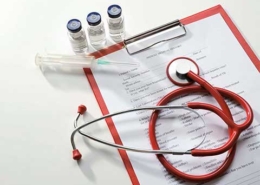
- Injectable: There are two injectable medications. One is Apretude, which is given every other month—six times per year. The other is Yeztugo®, given every six months—or twice a year. These are for adults and adolescents who weigh at least 77 pounds (35 kilograms) and are HIV negative. Both injectable medications must be given by a provider.
Since PrEP is not available over the counter, you’ll need a prescription to start taking it. Learn more about PrEP.
How do I start taking PrEP?
Getting PrEP usually requires a visit with a provider. Contact your provider or a local health clinic to schedule an appointment. If you don’t have a provider, use the PrEP + Services Locator to search health clinics near you.
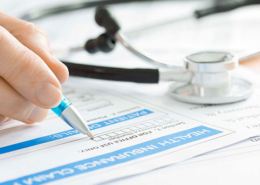
Most health insurance plans, including MassHealth, usually cover the cost of PrEP, which includes clinic visits, prescriptions, and laboratory tests. Check with your insurance company to find out if your plan covers PrEP.
If you meet certain criteria or qualify, you may be able to get assistance for HIV PrEP prescriptions through the Massachusetts Pre-Exposure Prophylaxis Drug Assistance Program (PrEPDAP).
Before your appointment
Here are a few of the things you should bring to your appointment:
- Your license or photo ID
- Proof of medical insurance (if you have insurance)
- Prescription insurance card (if separate from medical insurance card)
- List of medications you take (both prescribed and over-the-counter)
- List of medication allergies
During your appointment
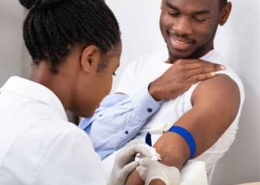
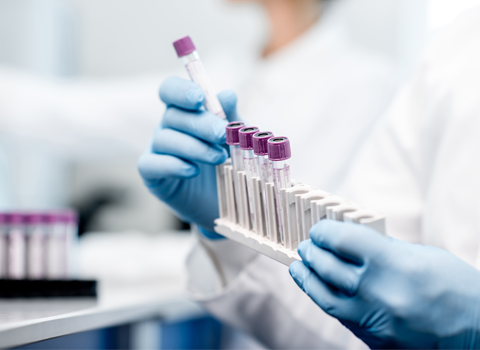
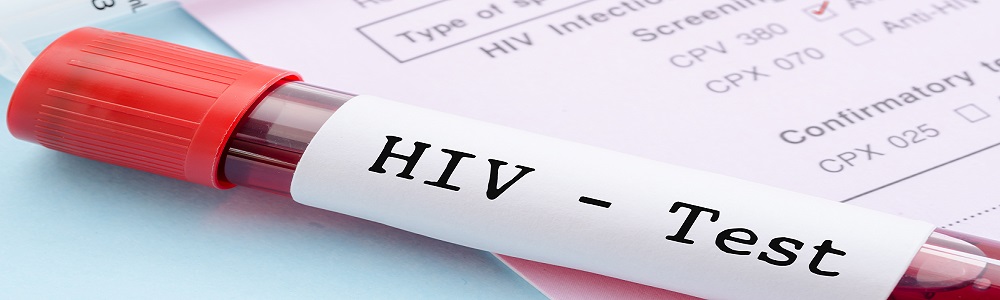
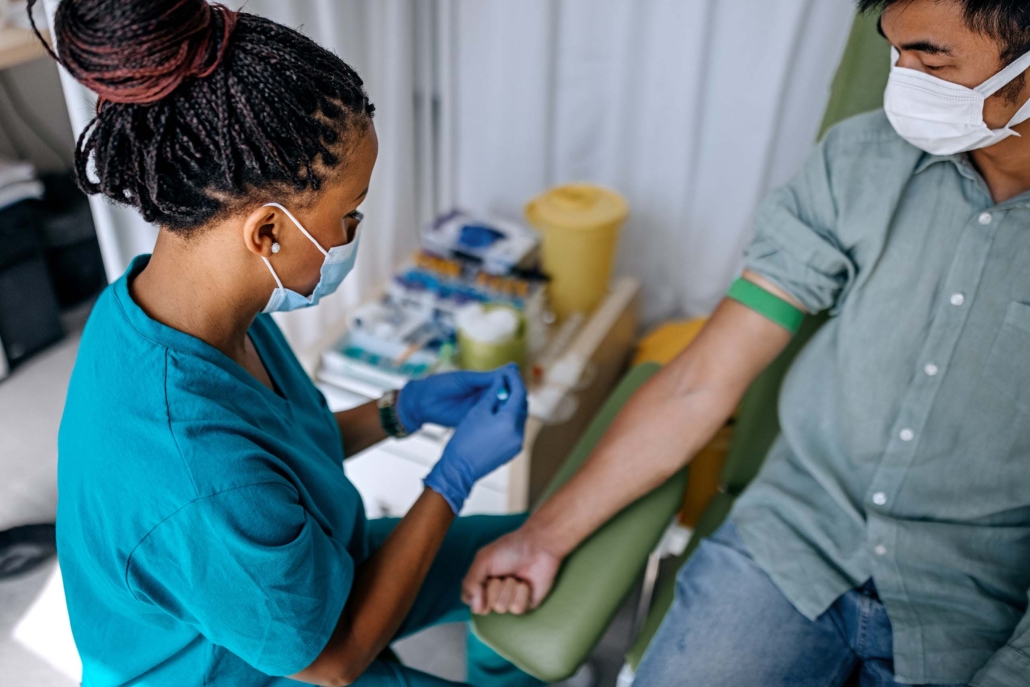
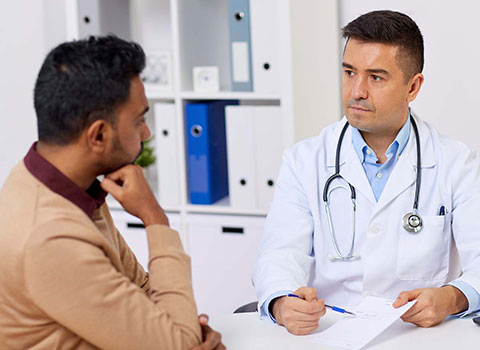
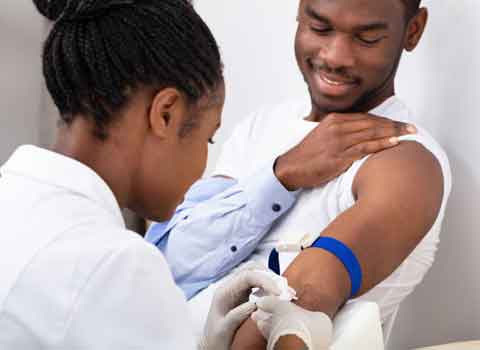
The provider may conduct a routine physical exam during your visit, which might include tests for HIV, STIs, and kidney function. They may also ask you questions about your medical and sexual history, such as:
- Could you have been exposed to HIV recently?
- Do you have anal or vaginal/front hole sex without a condom?
- Do any of your partners have sex with other people without a condom?
- Have you or any of your partners had an STI in the past six months?
- Are any of your partners HIV positive and not undetectable?
- Do you use drugs before or during sex?
- Do you or any of your partners share needles, works, and/or other drug injection equipment?
- Do you have sex for money, drugs, a place to stay, or anything else you need?
In addition, the provider may ask why you’re interested in PrEP and may discuss potential side effects and common misperceptions.
While PrEP has been around since 2012, some providers may not be familiar with PrEP or may not prescribe it. Learn more about talking to a provider about PrEP.
If your regular provider doesn’t prescribe PrEP, use the PrEP + Services Locator to find a clinic near you that does.
After your appointment
You must be HIV negative to use PrEP. Talk to a provider about whether it is possible to get your PrEP prescription while you are waiting for your test results. It’s common to experience side effects during the first few weeks of taking PrEP, which can include loss of appetite, vomiting, headache, nausea, rash, dizziness, fatigue, and other stomach issues.
Follow-up appointments
Once you start taking PrEP as a part of your self-care routine, you’ll need to follow up with a provider as recommended to repeat HIV and STI testing. Talk to the provider about scheduling appointments in advance so that there’s no disruption to your routine.
Related links
Is PrEP right for me?



 https://carethatfitsyou.org/wp-content/uploads/2018/06/hero-health-topics-e1767043868498.jpg
298
710
Bridget Blain
https://carethatfitsyou.org/wp-content/uploads/2020/04/care-that-fits-you.png
Bridget Blain2025-12-29 21:26:022026-01-13 19:35:30Party and Play (PnP)
https://carethatfitsyou.org/wp-content/uploads/2018/06/hero-health-topics-e1767043868498.jpg
298
710
Bridget Blain
https://carethatfitsyou.org/wp-content/uploads/2020/04/care-that-fits-you.png
Bridget Blain2025-12-29 21:26:022026-01-13 19:35:30Party and Play (PnP)