What is Party and Play (PnP)?
and play (PnP), or “chemsex,” means mixing recreational drugs with sex to make it last longer or feel more intense—often with more than one partner involved.
What drugs are typically used in PnP?
PnP commonly involves the use of and/or sedative drugs, often at the same time. How you’ll feel varies based on what you take, how much you take, and you take it.
Drugs used during PnP can include:
- Crystal methamphetamine “meth,” “tina,” “ice,” or “chrissie”)
- Mephedrone (“MCAT” or “meow meow”)
- Gamma-hydroxybutyrate or gamma-butyrolactone (GHB/GBL)
- MDMA (“ecstasy” or “molly”), alkyl nitrites (“poppers”)
- Ketamine (“special K”)
These are some commonly used names for these substances, but language and slang terms used may vary. And this is not a full list of all the drugs that are used during PnP.
re are many ways people use these drugs, including:
- Smoked
- Swallowed (in pill or drink form)
- Injected (“slammed”)
- Snorted
- Inserted rectally/anally (“shafted” or “boofed”)
Learn more about safer drug use through the National Harm Reduction Coalition.
Does PnP make my risk higher for STIs and other infections?
. Below are some waysput you at higher for getting and giving STIs:
- Drugs can affect your judgment, making it more likely to take risks such as having sex without a condom.
- Having several partners in a short time or during one encounter increases the chances of getting or passing STIs, particularly if condoms aren’t used.
- sexual and physical activity can cause dehydration and less natural lubrication, which may lead to small tears in the skin, especially in the rectum/anus.
- Sharing or reusing equipment (needles, pipes, sex toys) can spread blood-borne infections like HIV and hepatitis. Damaged or worn-down equipment can also cause burns, cuts, or sores, which make infection more likely.
What can I do to lower my risk of STIs and other infections if I choose to engage in PnP?
It’s helpful to think ahead and set some personal limits, like how long you want a session to last, and what or how much you are comfortable doing. Try to engage with people you know and trust.
Here are some tips to make PnP safer:
- Tips for safer sex:
- Talk to your partner(s) about consent and boundaries, and coming up with a safe word to communicate when you want to stop.
- Pack your own condoms, personal care items, and plenty of for yourself and your partners.
- Take breaks to rest, drink water, and eat.
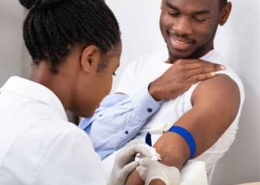
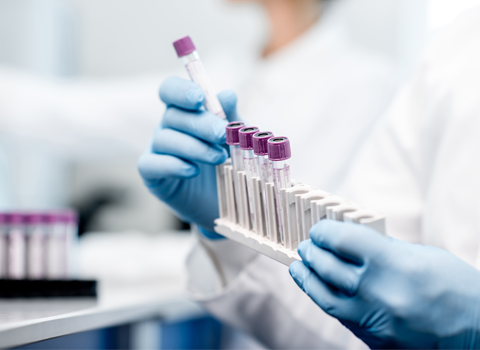
- Get tested for common regularly. If you have multiple partners, STI testing is recommended every three to six months.
- If you are living with HIV, make sure to talk with a health care provider about ways to control the virus, including taking antiretroviral medication.
- If you are HIV negative, ask a provider about PrEP (pre-exposure prophylaxis), a medication that can help prevent HIV.
- PEP (post-exposure prophylaxis) to lower the risk of HIV after exposure.
- a provider about DoxyPEP, an antibiotic (doxycycline) you can take after sex to help prevent some STIs like chlamydia, gonorrhea, and syphilis.
- a provider what vaccines might be recommended for you (like hepatitis A and B, HPV, or Mpox).
- Tips for safer drug use:
- . Letting others do it can increase of overdose or infection.
- Start low and go slow. Start with small drug doses and wait before using more.
- If you smoke, make sure you use new or clean, intact pipes to reduce your risk of infection or injury.
- If you drugs, avoid sharing needles, syringes, and/or other drug injection equipment. Use clean supplies for each use. You can get new needles through the Massachusetts Syringe Services Programs (SSP). Be sure to follow safe steps for disposing of injection equipment. If you need a sharps disposal location near you, you can visit an SSP site.
- Do not inject into red, broken, inflamed, or sore skin, which can lead to infection.
- If you decide to mix drugs, be aware of what to expect and be mindful of dosing, drug-drug interactions, and potential side effects.
- .
- Consider using drug test kits to check drugs for contaminants, like fentanyl or xylazine, that may cause harm or overdose. can be found at harm reduction programs, substance use programs, bclinics, and other local health centers, or purchased over the counter in some pharmacies.



 https://carethatfitsyou.org/wp-content/uploads/2018/06/hero-health-topics-e1767043868498.jpg
298
710
Bridget Blain
https://carethatfitsyou.org/wp-content/uploads/2020/04/care-that-fits-you.png
Bridget Blain2025-12-29 21:26:022026-01-13 19:35:30Party and Play (PnP)
https://carethatfitsyou.org/wp-content/uploads/2018/06/hero-health-topics-e1767043868498.jpg
298
710
Bridget Blain
https://carethatfitsyou.org/wp-content/uploads/2020/04/care-that-fits-you.png
Bridget Blain2025-12-29 21:26:022026-01-13 19:35:30Party and Play (PnP)