
What are STIs?

Sexually transmitted infections (STIs), also known as sexually transmitted diseases (STDs), are caused by bacteria, viruses, or parasites. Some common STIs include chlamydia, gonorrhea, syphilis, human papillomavirus (HPV), hepatitis, herpes, and HIV. Learn how they are spread, and how to prevent them to protect yourself and your partner(s).
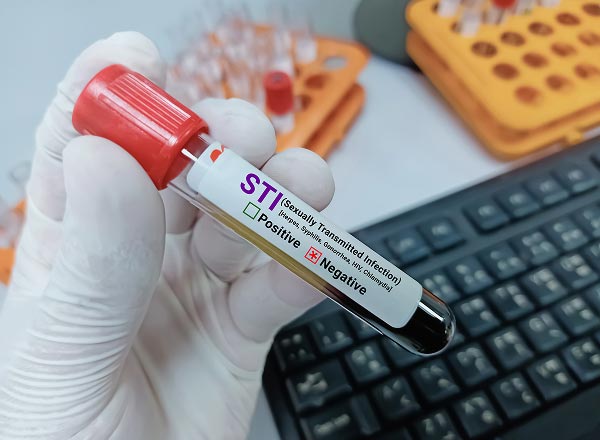
Gloved hand of a lab technician holding an STI test tube with red cap, labeled for positive or negative results. Background shows keyboard and test tube rack.

STIs are spread by sexual contact with the genitals (e.g., penis or vagina), mouth, anus, or bodily fluids like blood, semen, or saliva. If you or your partner(s) have an STI, you can pass it to others through anal, oral, or vaginal sex, or other sexual activities.

STIs can have a range of symptoms, but it’s important to know that some STIs don’t have any symptoms. You can still get an STI from another person who doesn’t have symptoms and may not even know they’re infected. This is why regular testing is so important.

Many STIs have the same symptoms, which can include:

  • Sores or bumps on your genitals, anus, or mouth
  • Pain or burning when you pee
  • Pain during sex or sexual activity
  • Sore, swollen lymph nodes, usually in the groin
  • Fever
  • Rash over the hands, feet, or stomach
  • Discharge from your penis
  • Testicle pain or swelling
  • Rectal pain, discharge, or bleeding

Depending on the STI, symptoms could appear after a few days, weeks, or months, or never appear at all.

If you think you might have an STI, get tested right away. The only way to know for sure if you have an STI is to get tested. Providers may not always ask whether or how you are sexually active, especially if you’re over 50. You’ll want to talk openly and honestly with your provider about your current and recent sexual activity so that they know what tests may be right for you.

Get tested for STIs at a location near you

There are many ways you can prevent STIs, like using protection and medication. Learn more about the steps you can take. Regular STI testing is also important to know your status and the status of your partner(s). Learn more about getting tested.

Some STIs, including gonorrhea, chlamydia, and syphilis, are curable with treatment. Others, like HPV, HIV, herpes, and hepatitis, don’t have a cure—but treatments can control symptoms and prevent complications. Learn more about treatments for specific STIs.

Icon: Map Locator

Looking for sexual health services?

Find low- to no-cost sexual health services near you, like PrEP, STI testing, and more on the Service Locator Map.

Icon: Checkmark

Is PrEP right for you?

PrEP is a medication that helps prevent HIV. Take a short quiz to find out if it may be right for you.

Logo: Care That Fits You

Logo: Massachusetts Department of Public health

Brought to you by Massachusetts Department of Public Health Copyright © 2026

Logo: Care That Fits You

Logo: Massachusetts Department of Public health
Brought to you by Massachusetts Department of Public Health Copyright © 2026