PEP for HIV
If you are HIV-negative and think you’ve been exposed to HIV within the last three days, post-exposure prophylaxis, or PEP, may be right for you.
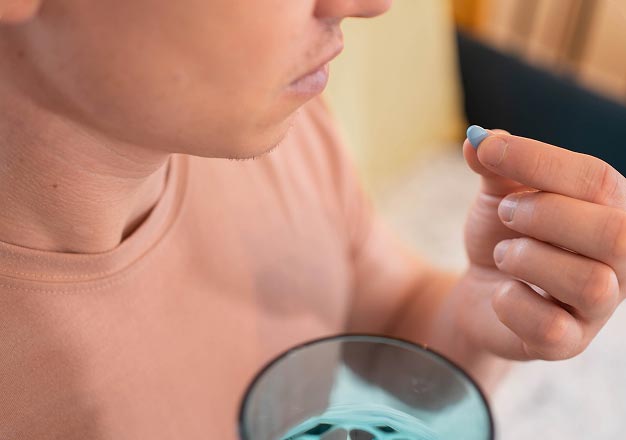

If you are HIV-negative and think you’ve been exposed to HIV within the last three days, post-exposure prophylaxis, or PEP, may be right for you.
Post-exposure prophylaxis, or PEP, is a prescription medication you can take after a high-risk exposure to HIV. A high-risk exposure may include:
If you’re looking for a pre-exposure medication for HIV, learn more about PrEP. If you’re looking for a post-exposure medication for other sexually transmitted infections (STIs), learn more about DoxyPEP.
You should take PEP as soon as possible after a high-risk exposure to HIV. PEP works best if you take it within the first few hours of possible exposure, yet it’s been shown to be effective up to 72 hours after a high-risk event. Every minute counts!
After 72 hours, PEP isn’t effective, so your health care provider won’t prescribe it.
Any provider can prescribe PEP. You can visit your provider, community health center, urgent care center, or emergency department for a prescription.
During the visit, a provider will ask you questions about your high-risk exposure and about the HIV status of you and your partner(s). They will order tests for HIV and STIs and may discuss a variety of ways to prevent HIV in the future, including pre-exposure prophylaxis (PrEP).
If you are HIV-negative (or don’t know) and decide to take PEP, you will need to:
PEP is usually covered by health insurance. If you don’t have insurance, or if you have insurance but can’t afford the co-pays for PEP medications, the PEP Program may be able to cover the cost. If you need help paying for PEP, contact the PEP Program immediately, since you will need to begin taking PEP within 72 hours of exposure, and ideally within the first few hours of exposure.
You should never take PEP and PrEP (pre-exposure prophylaxis) at the same time.
After taking PEP, your provider may recommend taking PrEP to protect against future exposure to HIV. And if you miss the 72-hour window for taking PEP, your provider may start you on PrEP as a part of your sexual health routine. Learn more about PrEP.

Find low- to no-cost sexual health services near you, like PrEP, STI testing, and more on the Service Locator Map.

PrEP is a medication that helps prevent HIV. Take a short quiz to find out if it may be right for you.